Hit undo on
impersonation scams

Criminals use sophisticated spoofing to pretend to be HMRC, the police, or your bank. If you were manipulated into transferring money, use our free tool to check your eligibility in 60 seconds.

Check My Claim

FCA Regulated

Secure & compliant

UK Based

Specialist fraud team

£257.5m Reimbursed

By UK banks in 2025

97k

97,000+ Claims

Actioned by UK victims

What to do if you paid a fake authority figure.

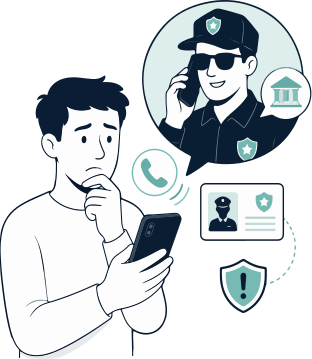
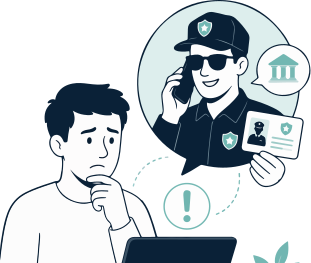
Impersonation scams are terrifying psychological attacks. By exploiting your respect for the law and using advanced technology to spoof official phone numbers, criminals easily bypass your natural suspicion to extort money for fake fines, tax bills, or "investigations."

However, your UK bank has sophisticated fraud-detection algorithms. If you suddenly transferred a large sum of money to a brand new, unverified payee, your bank had a legal duty to step in, ask questions, and protect your account. Our smart matching system connects you with SRA-regulated legal experts who specialise in challenging these exact systemic bank failures. Check your eligibility online in 60 seconds, with zero upfront costs.

How it happens

How criminals manipulate your fear

These aren't simple tricks; they are calculated psychological operations. Here are the common tactics used to bypass your natural defences:

1

Criminals use software to make their incoming call, text, or email appear exactly as HMRC, the National Crime Agency, or your bank. Because your device verifies who they claim to be, your guard is instantly lowered.

2

They immediately trigger a fight-or-flight response by claiming you owe unpaid taxes, your National Insurance number has been compromised, or there is a warrant out for your arrest.

3

To isolate you from getting real help or advice, they often claim you are subject to a "gagging order" or that discussing the matter with local bank staff will result in immediate prosecution.

4

They instruct you to settle the fake debt or "secure your assets" by transferring money to a designated account, or even by purchasing gift cards or cryptocurrency, bypassing standard payment channels.

5

If your actual bank tries to intervene during the transfer, the scammer will stay on the phone or give you a strict script on what to say to bypass the bank's security questions without raising suspicion.

— Zero judgment

See what happens when you hit undo.

★★★★★

I had a very positive experience with this firm. What stood out most was their attention to detail and genuine commitment to achieving the best possible outcome. They were responsive to questions, proactive in their approach, and handled matters efficiently while maintaining a high standard of care. Overall, a reliable and well-run firm that I would confidently recommend to others.

Mr A H Mhassani

★★★★★

Our business paid an invoice after the bank details had been changed. UndoFraud helped us review the evidence and move the complaint forward.

Richard P.

★★★★★

I had a very good experience with CRS who gave a great response in helping to resolve my issue over a short period of time..all the staff I communicated with were very good and my special thanks to Emma Nash who managed to get it over the line... definitely a company I do recommend.

Charles Davis

Impersonation Scam-Specific FAQs

Yes. Criminals use highly aggressive tactics and authentic-looking data to make their threats believable. Your bank should be trained to spot the signs of a customer making a transfer under duress or manipulation.

Ready to hit undo?

Join the thousands who have claimed their share of the £257.5 million reimbursed by UK banks in 2025. Use our free tool to check your eligibility in 60 seconds — zero old paperwork required.

Check My Claim →