
Help after an investment
or trading scam

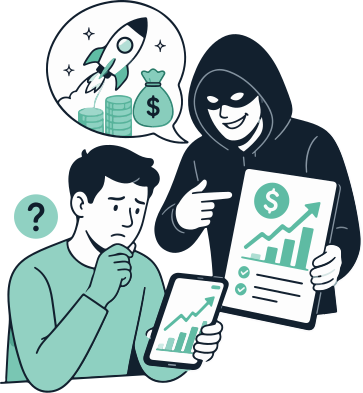
A convincing broker, advert or trading platform may have encouraged you to invest more and more. If you believe the opportunity was fraudulent, we can check whether the payments and circumstances may be suitable for further assessment.

Check whether we can help

You can start without gathering every document. If your enquiry goes forward, payment records and other evidence will help with the assessment.

The initial check is free. If your claim succeeds, Consumer Rights Solicitors charges 15-30% plus VAT of compensation awarded, equivalent to 18-36% including VAT at the current standard rate. The applicable fee and terms are explained before you instruct the firm. Our fees

Investment scams

What matters in an investment scam

1

What made you believe the investment was a scam?

Tell us about false identities, misleading promises, demands for extra fees, blocked withdrawals or other evidence of deception. A genuine investment falling in value is different from an allegedly fraudulent platform or seller. If you are unsure why you cannot withdraw, explain the facts rather than guessing the legal label.
2

Identify the actual deposits and withdrawals

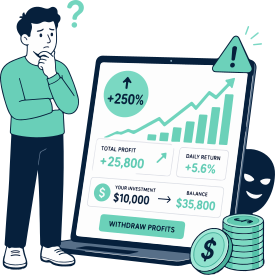
Record how much money you sent, when and through which bank, card or exchange. Keep any payments returned separate. Supposed profits or a platform’s displayed balance do not establish the amount actually lost. The timing and pattern of deposits can matter alongside the total.
3

Keep the investment and payment records

Save the original advert or website address, broker details, messages, deposit history, withdrawal requests and bank correspondence. Note whether you had invested before and whether these payments differed from your usual account activity. More detailed evidence can be supplied during preparation.

Common investment scams

  • Fake trading platforms or brokers with a live-looking dashboard
  • Cryptocurrency and “AI trading bot” schemes
  • Gold, precious metals or other products that do not exist
  • Property development or land that is never built or owned
  • Shares sold by cold callers under pressure (“boiler rooms”)
  • “Free pension reviews” that move savings into high-risk or fake products

Warning signs

  • Promises of high or guaranteed returns with little risk
  • Pressure to act quickly, or to keep the offer to yourself
  • Unexpected contact, social media adverts or celebrity endorsements
  • A fee, tax or deposit you must pay before you can withdraw

How to check a firm

Search the FCA’s Financial Services Register to see whether a firm or individual is authorised, and check that the reference number and contact details match. Fraudsters copy genuine firms, so contact a firm using the details on the register. The FCA also publishes a Warning List of firms running scams or operating without authorisation. If you invest in something the FCA does not regulate, you will not be protected if something goes wrong.

Simple process

Start with a clear next step

1

Answer the initial questions

Tell us what happened and how you paid so we can check whether further assessment may be appropriate.

2

Understand the outcome

Your enquiry may go to assessment, need specialist review, or receive guidance on another next step. Screening does not guarantee acceptance.

3

Prepare for the conversation

Where offered, you can add more information and payment records to help prepare for your assessment. This is optional and can be completed later.

Legal representation begins only if Consumer Rights Solicitors accepts the case and you agree to its terms.

Check whether we can help
Fees

Understand the costs before deciding

Fees

The initial check is free. If your claim succeeds, Consumer Rights Solicitors charges 15-30% plus VAT of compensation awarded, equivalent to 18-36% including VAT at the current standard rate. The applicable fee and terms are explained before you instruct the firm. UndoFraud does not charge you for using its enquiry service and receives a referral fee from Consumer Rights Solicitors.

You have a choice

You can make a complaint to your bank or payment provider yourself. Where eligible, you can also ask the Financial Ombudsman Service to consider it for free. Using our managed service is optional.

Questions and answers

Explain the name, documents and contact details used. Impersonation and apparently professional materials can be relevant facts, but they do not replace evidence of what happened.

Understand the next step for your situation

Start with the initial questions so we can understand what happened and whether further assessment may be appropriate.

Check whether we can help