Hit undo on
invoice fraud

Criminals intercept communications to divert legitimate payments to their own accounts. If you transferred money from a UK bank, use our free tool to check your eligibility in 60 seconds.

Check My Claim

FCA Regulated

Secure & compliant

UK Based

Specialist fraud team

£257.5m Reimbursed

By UK banks in 2025

97k

97,000+ Claims

Actioned by UK victims

What to do if your payment was diverted to a scammer.

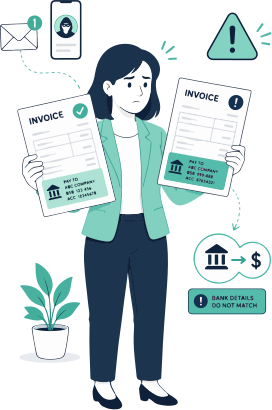
Invoice fraud, also known as mandate fraud, occurs when highly organised criminals hack or spoof emails from a legitimate supplier, builder, or solicitor, tricking you into sending funds to a fraudulent account.

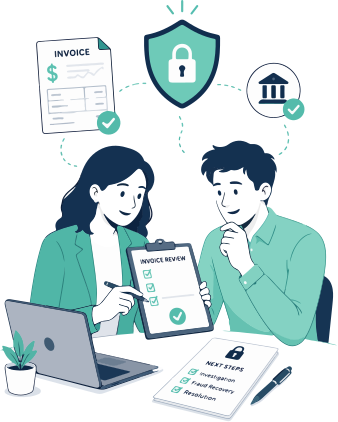
However, if your funds originated from a UK bank account, your bank had a legal duty to protect you from obvious red flags and unusual payee details. Our smart matching system connects you with SRA-regulated legal experts who specialise in challenging these exact systemic bank failures. Check your eligibility online in 60 seconds, with zero upfront costs.
How it happens

How criminals intercept your payments

These aren't simple tricks; they are calculated psychological operations. Here are the common tactics used to bypass your natural defences:

1

Hackers compromise the email account of a legitimate business you are actively dealing with, such as a conveyancing solicitor, builder, or regular supplier.

2

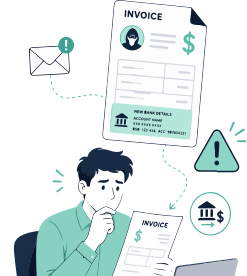
They send an email from the compromised account, or a cleverly spoofed address that looks nearly identical, claiming their bank details have recently changed or they are undergoing an audit.

3

They attach a perfectly forged PDF invoice featuring the correct company logo, branding, and accurate reference numbers, but with the criminal's sort code and account number swapped in.

4

They create a false sense of urgency, threatening to halt services, delay a house purchase, or cancel an order if the invoice isn't settled immediately to the new account.

5

Because you firmly believe you are paying a trusted and verified contact, the theft often goes completely unnoticed until the real business follows up weeks later asking for their overdue payment.

— Zero judgment

See what happens when you hit undo.

★★★★★

I had a very positive experience with this firm. What stood out most was their attention to detail and genuine commitment to achieving the best possible outcome. They were responsive to questions, proactive in their approach, and handled matters efficiently while maintaining a high standard of care. Overall, a reliable and well-run firm that I would confidently recommend to others.

Mr A H Mhassani

★★★★★

They pretended to be from my bank and pressured me to act fast. UndoFraud helped me see what had happened and supported me through the claim.

Susan T.

★★★★★

I had a very good experience with CRS who gave a great response in helping to resolve my issue over a short period of time..all the staff I communicated with were very good and my special thanks to Emma Nash who managed to get it over the line... definitely a company I do recommend.

Charles Davis

Invoice Fraud-Specific FAQs

Yes. High-value transactions like house deposits or contractor invoices are prime targets for invoice fraud. Your bank should apply heightened security checks and warnings for these unusually large, out-of-character transfers.

Ready to hit undo?

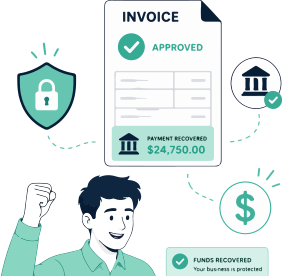
Join the thousands who have claimed their share of the £257.5 million reimbursed by UK banks in 2025. Use our free tool to check your eligibility in 60 seconds — zero old paperwork required.

Check My Claim →